
Skip to content

7 Tips to Get the Best Fire Door Quotation?

A reliable Fire Door Quotation begins with risk, not price. NFPA’s Fire Loss in the United States During 2023 report recorded approximately 1.39 million fires and $22.4 billion in direct property damage. These figures explain why a low quotation can become expensive when specifications, installation, or maintenance are incomplete.

Lori Greene, an Allegion codes and resources manager, has emphasized that “a fire door is a life-safety system, not merely a door.” Her warning matters during every purchasing decision. A quotation should identify the door rating, size, core, frame, hardware, glazing, certification, delivery terms, and installation responsibilities. NFPA 80 also requires regular inspection, testing, and maintenance, so future service costs deserve attention before approval.

The details are physical and easy to miss. Imagine a steel frame, a certified closer, three hinges, and a small vision panel on a busy corridor door. One missing label or incompatible lock can weaken the entire assembly. Seven practical checks can expose these gaps before money changes hands. They include comparing technical schedules, verifying certification, checking exclusions, reviewing site conditions, and confirming the supplier’s experience.

Not every quote is equally transparent. Some are technically correct but commercially vague. Others look complete until delivery, fire-stopping, or remedial work appears later. I have found that even careful buyers overlook one line. That is uncomfortable, but useful. A strong Fire Door Quotation should make uncertainty visible, not hide it behind a tempting total.
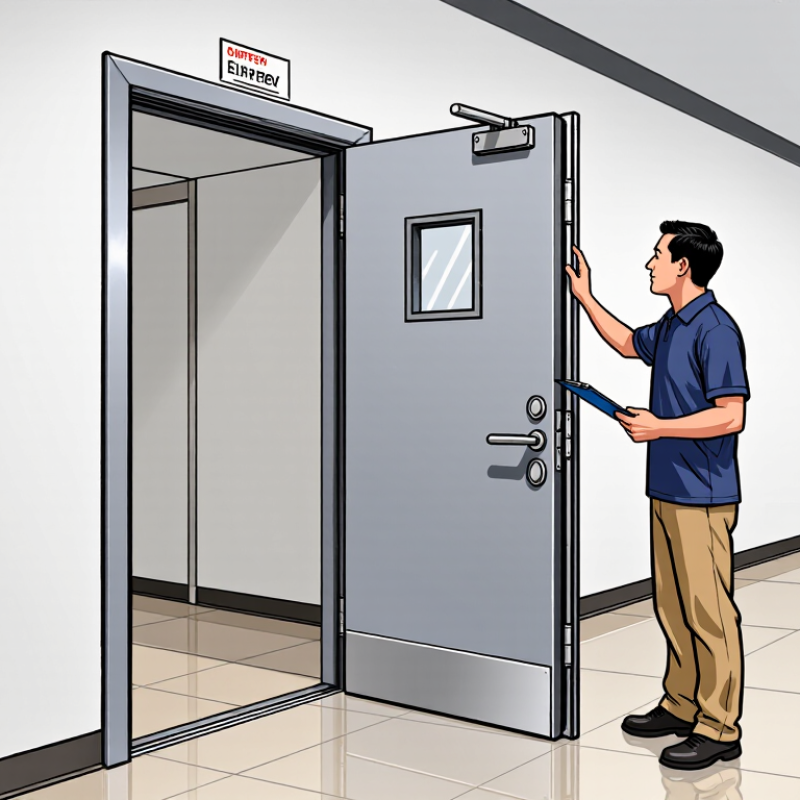
7 Tips to Get the Best Fire Door Quotation?

Define Fire Door Ratings: 30, 60, 90, and 120 Minutes

A fire door rating shows how long a tested door assembly resists fire exposure. A 30-minute door suits lower-risk openings. A 60-minute door offers stronger separation. Ninety- and 120-minute doors serve high-risk routes, shafts, and protected compartments. These ratings do not guarantee identical real-world performance. Site conditions, installation, smoke leakage, and hardware also matter. NFPA’s 2023 U.S. fire-loss report recorded about 1.39 million fires and 3,670 civilian fire deaths. That scale makes accurate compartmentation important.

Tip 1: Confirm the required rating from the local fire strategy.

Tip 2: Ask whether the rating applies to the complete assembly, not only the leaf.

Tip 3: Request test evidence under recognized standards, such as NFPA 252 or EN 1634-1.

Tip 4: Check wall construction and frame compatibility.

Tip 5: Specify vision panels, seals, hinges, closers, and latches. Small parts can weaken the tested result.

Tip 6: Request delivery, installation, and certification costs separately.

Tip 7: Ask for maintenance requirements and inspection frequency.

In practice, quotations often hide fitting assumptions. A cheaper 30-minute option may become unsuitable after a layout change. A 120-minute door may also add unnecessary weight and cost. Review the rating label, test scope, and hardware schedule carefully. UL product directories and laboratory test reports can support verification, while NFPA 80 provides installation and maintenance guidance. I have found that missing wall details cause more quotation revisions than door prices. That part deserves a second look.

Verify Compliance with NFPA 80, UL 10C, or EN 1634-1

A reliable fire door quotation begins with compliance, not price. Ask the supplier which standard supports the proposed doorset. NFPA 80 covers installation, inspection, and maintenance requirements. UL 10C evaluates fire door assemblies under positive-pressure fire testing. EN 1634-1 measures fire resistance for doorsets, shutters, and opening assemblies. These standards are not interchangeable.

Request the complete test report, certificate, and scope of approval. Check the tested door size, core construction, frame material, glazing, hinges, locks, closers, and seals. A quotation may mention a “90-minute door,” but the tested configuration could exclude the hardware you need. Small details matter. Confirm whether the rating applies to the whole doorset or only the leaf. Also verify the required label and installation instructions.

In practical project reviews, missing documentation often causes more delay than manufacturing. I once saw a quotation with the correct rating but an untested vision panel. That mistake looked minor. It was not. Ask who will inspect the installation and how future maintenance will be recorded. Confirm local building-code requirements with the responsible authority, because regional rules may add conditions. Keep every clarification in writing. A cheaper quotation is risky when compliance evidence remains vague.

7 Tips to Get the Best Fire Door Quotation? - Verify Compliance with NFPA 80, UL 10C, or EN 1634-1

No. Quotation Checkpoint What to Specify Compliance Evidence to Request Why It Affects the Quote Buyer Verification
1 Define the required rating and scope State the required fire-resistance duration, door type, opening size, location, and whether the quotation covers a single- or double-leaf doorset. A project specification, code requirement, or authority-approved schedule identifying the required rating and test method. Fire rating, dimensions, leaf configuration, and installation conditions can change the tested assembly and its price. Confirm that the quoted assembly matches the required wall type, opening size, and rating—not only the door leaf.
2 Select the applicable test standard Identify whether the project requires NFPA 80 installation provisions, UL 10C testing, EN 1634-1 testing, or another locally adopted requirement. The full test report or certificate reference, including the tested door configuration, rating, hardware, frame, and glazing where applicable. Different standards use different test and classification systems; compliance with one standard does not automatically prove compliance with another. Ask the project authority or code consultant which edition and acceptance route applies in the installation jurisdiction.
3 Verify the complete tested assembly Include the door leaf, frame, hinges, closer, latch or lock, seals, glazing, threshold, and approved fasteners in the quotation. A listing, test report, or approved assembly description showing that the proposed components may be used together. Substituting hardware, seals, glazing, or frame details may invalidate the tested configuration and create additional approval costs. Compare every component in the quotation with the evidence for the exact doorset configuration.
4 Check installation requirements under NFPA 80 Specify frame anchoring, clearances, wall construction, hardware preparation, field adjustments, labeling, and inspection requirements where NFPA 80 applies. Installation instructions and inspection documentation that address the applicable NFPA 80 requirements. A low product price may exclude compliant installation, field preparation, inspection, or corrective work. Request separate line items for supply, installation, testing, inspection, and remedial work.
5 Confirm UL 10C or EN 1634-1 performance For UL 10C, confirm the positive-pressure fire-test basis. For EN 1634-1, confirm the fire-resistance test for doorsets, shutters, or openable windows as applicable. A valid report or certification reference showing the tested specimen, exposure conditions, duration, failure criteria, and permitted construction. Test duration, specimen size, glazing, hardware, and permitted variations can limit whether a standard quotation is suitable. Check that the proposed product is within the documented field of application or approved variation rules.
6 Compare total delivered cost Require itemized costs for doors, frames, hardware, glazing, seals, packing, delivery, taxes, installation, certification, and site testing. A detailed commercial quotation with quantities, unit prices, exclusions, lead time, validity period, and payment terms. Comparing only the door leaf price can hide essential components and installation expenses. Use the same written scope and component schedule when requesting quotations from different suppliers.
7 Confirm traceability, warranty, and after-sales support Specify labeling, documentation, spare parts, maintenance instructions, warranty period, replacement components, and response responsibilities. Product labels, delivery records, installation records, maintenance instructions, warranty terms, and document-control procedures. Complete records reduce approval delays and help preserve the required performance throughout the door’s service life. Make document delivery and close-out records contractual deliverables, not optional items.
Important comparison note: NFPA 80 primarily addresses the installation and maintenance of fire doors and other opening protectives, while UL 10C and EN 1634-1 are fire-test standards for door or doorset performance. The applicable standard, edition, rating, and acceptance criteria should be confirmed with the project authority having jurisdiction.

Specify Door Size, Core, Frame, Hardware, and Glazing Requirements

Tip 1: State the exact door size, including height, width, and thickness. A rough opening measurement can change the quotation quickly. Measure the wall opening, not only the existing slab.

Tip 2: Specify the required fire rating and test evidence. Ask whether the rating applies to the complete door assembly. A door leaf alone may not provide the expected protection.

Tip 3: Describe the core clearly. Mineral, timber, and composite cores perform differently. Request the core construction, density, and tested application in writing.

Tip 4: Confirm the frame material, profile, and fixing method. Steel frames may require different wall anchors than timber frames. Small details matter here.

Tip 5: List every hardware item, including hinges, closers, panic devices, locks, seals, and signage. A quotation can look attractive when essential hardware is excluded. I once overlooked the closer specification, and the revised cost was higher than expected. That mistake was avoidable.

Tip 6: Explain glazing requirements precisely. Include glass size, position, thickness, fire rating, and bead type. Do not assume ordinary safety glass is suitable for a fire door. Ask for compatible glazing details and evidence for the complete assembly.

Tip 7: Describe the installation environment. Mention wall type, traffic level, humidity, access restrictions, and delivery conditions. Photos and a simple opening schedule often prevent misunderstandings. Leave room for questions. A perfect quotation is rare when the specification is incomplete.

Compare Quotes by U.S. Fire Ratings, Lead Times, and Warranty Terms

A strong fire door quotation starts with comparable U.S. fire ratings. Do not compare a 90-minute door with a 60-minute assembly. Check the wall rating, door label, frame rating, glazing, and hardware together. Ask which test standard supports each rating. Confirm that the proposed closer, lock, hinges, and vision panel match the listed assembly.

Lead time deserves equal attention. Request separate dates for shop drawings, approval, fabrication, hardware, and delivery. Custom sizes and glazed panels often add days. A written delivery window is safer than a verbal promise. Include freight, unloading, and storage costs in the comparison. A cheaper quote can become expensive when the site waits.

Warranty terms reveal how dependable the quote is. Check coverage length for the door, finish, glazing, and hardware. Read exclusions for incorrect installation, poor maintenance, impact, and unauthorized repairs. Ask who handles claims and how quickly replacement parts ship. I have seen projects stall because the warranty covered the slab but not the closer. That detail was easy to miss. Compare installation instructions, inspection records, and required maintenance schedules. Also review payment terms and change-order rates. The clearest quote is usually easier to defend during approval.

7 Tips to Get the Best Fire Door Quotation

Compare each quotation by fire-resistance rating, estimated lead time, and written warranty coverage. Fire-door ratings are measured in minutes under U.S. fire-test standards; lead times and warranty terms are supplier-specific and should be confirmed in writing.

Check Installation Costs, Inspection Needs, and Five-Year Maintenance Plans

7 Tips to Get the Best Fire Door Quotation?

Tip 1: Ask for a complete installation breakdown. A low door price may exclude delivery, frame preparation, hardware, sealant, or waste removal. Request separate costs for fitting, access equipment, and final adjustments. A practical site review should measure wall thickness, opening size, floor level, and frame condition before pricing begins. Small details matter.

Tip 2: Confirm inspection requirements before accepting the quotation. Ask who will inspect the installation and which records will be provided. The quotation should identify inspection stages, testing responsibilities, and documentation. Requirements can vary by building type and location, so consult a qualified fire-door professional and confirm local rules. Never rely on a verbal promise.

Tip 3: Request a five-year maintenance plan. It should include inspection frequency, closer adjustments, seal replacement, hinge checks, and damage reporting. Ask whether call-out fees and replacement parts are included. A useful plan names the responsible person and records every visit. That makes future budgeting easier.

Tip 4: Compare like with like. Check fire rating, glazing, hardware grade, installation method, and warranty terms. One quotation may include certified components, while another may not. This difference is easy to miss. I would also allow a modest contingency for hidden frame damage, although excessive allowances deserve questions. A reliable quotation explains assumptions clearly and avoids unexplained exclusions.