
Skip to content

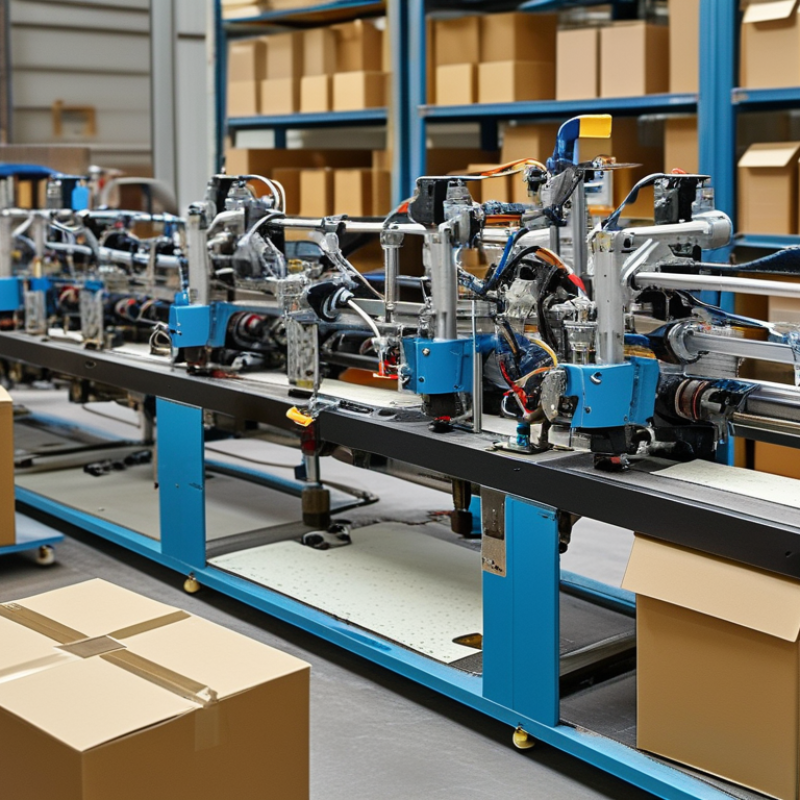
2026 Top Paper Box Glue Spraying Machine Suppliers

Choosing a reliable Paper Box Glue Spraying Machine supplier will matter even more in 2026. Packaging plants now expect faster changeovers, cleaner application, and stable performance across different carton boards. A machine may run smoothly during testing, yet struggle when humidity changes or adhesive viscosity drifts.

According to packaging automation consultant Michael J. O’Brien, “A good glue system protects production quality before problems become visible.” This principle explains why supplier evaluation should go beyond price and advertised speed. Buyers should inspect nozzle accuracy, spray-pattern control, PLC functions, sensor placement, and access for daily cleaning. Small details matter. A blocked nozzle can leave a weak seam, wasted board, and an avoidable production delay.

The leading suppliers usually provide machine trials, adhesive guidance, operator training, and responsive spare-parts support. Their equipment should handle common water-based and hot-melt applications while matching the customer’s carton size and line speed. Safety guarding, emergency stops, electrical compliance, and documented maintenance procedures also deserve close attention.

This guide reviews the 2026 market through practical purchasing criteria. It considers supplier experience, engineering capability, customization, delivery reliability, and after-sales service. However, no ranking should be treated as permanent. A supplier with excellent machinery may still perform poorly when communication becomes slow. Real factory conditions reveal more than brochures. The best choice is not always the fastest machine. It is the system that applies consistent glue, reduces waste, and remains serviceable after installation. Mistakes can still happen. Careful testing remains essential.
2026 Top Paper Box Glue Spraying Machine Suppliers

Paper Box Glue Spraying Machines: Types, Uses, and 100–300 m/min Line Speeds

2026 Top Paper Box Glue Spraying Machine Suppliers

Paper box glue spraying machines apply controlled adhesive patterns to folding cartons, mailers, and lightweight paperboard boxes. Cold-water adhesive suits many standard cartons. Hot-melt systems help when rapid setting is necessary. Some lines combine spraying with wheel or nozzle application.

The FAO reported global paper and paperboard production near 423 million tonnes in 2023. This scale supports continued investment in faster converting equipment. In practice, line speeds from 100 to 300 m/min cover many commercial applications. Lower speeds suit complex carton shapes and frequent size changes. Higher speeds require stable board feeding, accurate registration, and fast adhesive response. Small errors become expensive quickly.

A supplier should prove performance using the buyer’s actual board, glue, and box design. Ask for tested output, glue consumption, nozzle cleaning time, and changeover records. A 300 m/min claim can mislead. It may describe an empty-line trial, not sustained production. Smithers’ paper packaging research also highlights efficiency and material reduction as major industry priorities. That makes precise spraying more valuable than maximum speed alone. Operators still need practical access to pumps, filters, and inspection points. I would also examine service response data, not only attractive specifications. Machines sometimes perform well in demonstrations, then struggle with dust, warped board, or seasonal adhesive changes. Real production is less tidy.

2026 Top Paper Box Glue Spraying Machine Suppliers - Paper Box Glue Spraying Machines: Types, Uses, and 100–300 m/min Line Speeds

Machine Type Primary Glue Application Typical Line Speed Suitable Box Materials Common Adhesive Best-Fit Uses Important Selection Criteria
Cold-Glue Wheel Applicator Continuous glue lines on side flaps and folding panels 100–180 m/min Coated or uncoated paperboard, corrugated board Water-based PVA or dextrin adhesive Straight-line cartons, mailing boxes, general folding cartons Wheel diameter, glue viscosity, metering accuracy, cleanability
Cold-Glue Nozzle Sprayer Intermittent or programmable glue beads and spots 100–220 m/min Paperboard, micro-flute corrugated board, laminated stock Water-based PVA adhesive Crash-lock bottoms, special cartons, multi-point bonding Nozzle response time, filter system, bead width control, sensor synchronization
Hot-Melt Glue Sprayer Fast-setting adhesive beads, dots, or short lines 100–180 m/min Heavy paperboard, coated board, corrugated board, laminated materials EVA or polyolefin hot-melt adhesive Rigid cartons, gift boxes, rapid setting applications Melter capacity, hose and nozzle temperature, energy use, adhesive open time
Cold-Glue and Hot-Melt Hybrid System Combined structural glue lines and instant-tack spots 120–220 m/min Printed folding cartons, coated board, laminated packaging Water-based PVA plus EVA or polyolefin hot melt Complex cartons requiring both strength and immediate holding Independent control channels, recipe management, adhesive compatibility, maintenance access
Servo-Controlled Precision Sprayer Accurate intermittent glue patterns synchronized to print or die-cut marks 160–300 m/min Lightweight folding carton board and high-quality coated stock Low- to medium-viscosity water-based adhesive High-speed pharmaceutical, food, cosmetic, and retail cartons Servo indexing, encoder resolution, registration accuracy, reject detection
Multi-Point Box Gluing Unit Multiple independent beads or spots across several folding panels 100–180 m/min Thick paperboard, corrugated board, complex die-cut blanks Water-based PVA, dextrin, or hot-melt adhesive Four-corner boxes, hexagonal cartons, auto-bottom boxes Number of applicator channels, folding accuracy, pressure settings, format changeover time
Corrugated Box Glue Sprayer Broad glue lines for flaps and overlap joints 100–160 m/min Single-wall and selected double-wall corrugated board Water-based PVA or dextrin adhesive Shipping cases, e-commerce cartons, produce and industrial packaging Board compression control, glue penetration, flap alignment, roller pressure
Compact Short-Run Gluing Machine Manual or semi-automatic glue application for frequent job changes 30–100 m/min Light and medium-weight paperboard Water-based PVA or dextrin adhesive Samples, custom packaging, seasonal products, small production batches Quick setup, operator access, format flexibility, low adhesive waste
Food-Contact Packaging Glue System Controlled glue application for cartons used around packaged food 100–220 m/min Paperboard and coated board with suitable barrier layers Food-contact-compliant water-based or hot-melt adhesive Folding cartons, dry-food boxes, beverage carriers, bakery packaging Adhesive compliance documentation, migration requirements, hygiene design, traceability
Technical note: Speed ranges are typical operating ranges for paper box folding and gluing equipment. Actual output depends on blank size, board stiffness, folding design, adhesive viscosity, glue pattern, machine configuration, and quality-control requirements. Confirm the final speed and adhesive specifications through production trials.

Key Specifications: ±1 mm Glue Accuracy and 0.1–2.0 mm Nozzle Control

2026 Top Paper Box Glue Spraying Machine Suppliers

In 2026, paper box manufacturers are prioritizing controlled glue application over simple machine speed. A reliable supplier should explain how ±1 mm glue accuracy is measured, not merely print it in a brochure. Ask for test samples using your actual board, adhesive, folding structure, and production speed. Small changes in paper stiffness can alter spray placement.

Nozzle control matters.

A 0.1–2.0 mm adjustment range supports both narrow glue lines and broader coverage. The lower setting can reduce adhesive waste on lightweight cartons, while the higher setting may suit thicker board or reinforced seams. However, nozzle size alone does not guarantee stable results. Pump pressure, viscosity, temperature, and conveyor vibration also affect the final pattern. I have found that a machine may perform well during a short demonstration but drift after several hours.

Supplier evaluation should include repeatability tests, cleaning procedures, calibration records, and operator training. Request measurements from multiple samples, rather than one successful box. Check whether ±1 mm accuracy remains consistent after nozzle replacement and daily startup. Some suppliers provide clear data; others rely on attractive claims. That difference matters. A practical machine should offer accessible controls, visible inspection points, and spare parts suited to continuous packaging work. Leave room for adjustment, because real factory conditions rarely match laboratory settings.

2026 Supplier Evaluation: ISO 9001, 12-Month Warranty, and Global Service

Selecting a paper box glue spraying machine supplier in 2026 requires evidence, not polished brochures. ISO’s 2022 Survey recorded 1,265,216 ISO 9001 certificates worldwide, but certification alone cannot prove stable glue application. Ask for the certificate scope, audit status, and production records. Then inspect nozzle wear, pressure control, sensor calibration, and cleaning access. Small details decide whether a folding line runs smoothly at 8,000 boxes per hour. That matters.

A practical evaluation should include a witnessed trial using your board, adhesive, and target speed. Measure bead continuity, open time, glue consumption, and rejected cartons across several shifts. A 2024 paper-packaging market report forecasts continued growth in paper-based packaging, increasing pressure on converters to reduce waste and maintain throughput. Forecasts are not guarantees. They can hide differences between food cartons, e-commerce boxes, and coated stock.

The 12-month warranty should state covered components, response times, labor, and freight responsibilities. Global service needs more than an email address. Look for remote diagnostics, multilingual manuals, stocked wear parts, and documented technician coverage in your region. Request installation training and a preventive-maintenance schedule. A supplier may promise 24-hour support, yet respond slowly during a weekend stoppage. Test that promise before purchase. One weakness remains: many evaluations focus on machine speed, while operator training receives little attention. That gap deserves a contract line.

Adhesive Systems Compared: Hot-Melt at 120–180°C Versus Cold-Glue Units

For 2026 paper box glue spraying machine suppliers, adhesive choice matters more than catalog speed. Hot-melt systems typically operate at 120–180°C and bond within seconds. This suits fast folding-carton lines, short compression zones, and cold warehouses. However, heaters consume energy, and poor temperature control can char adhesive or distort thin paperboard. Operators should verify melt viscosity at actual line speed, not only at laboratory settings.

Cold-glue units use water-based adhesive and usually run near ambient temperature. They offer longer open time, lower thermal risk, and simpler cleaning. Drying can be slower, especially with coated board or humid air. Smithers’ packaging forecasts identify continued growth in paper-based formats through 2028, increasing demand for stable, high-throughput bonding equipment. Grand View Research also reports steady expansion in the hot-melt adhesives market, supported by packaging applications. The figures are useful, but they do not replace plant trials.

A practical comparison should record glue consumption, nozzle response, bond strength, and reject rates. A 0.2-second spray delay can leave visible gaps on narrow flaps. A hot-melt line may reduce handling time, while cold glue may reduce thermal energy use. The best result depends on board porosity, coating, speed, and storage conditions. Supplier claims can sound precise. Real production data may disagree. Test both systems with the intended carton stock before selecting equipment.

Buying Checklist: Output, Energy Use, Maintenance, Safety, and Payback Period

2026 Top Paper Box Glue Spraying Machine Suppliers

Buying Checklist: Output, Energy Use, Maintenance, Safety, and Payback Period

Output should match real production, not the brochure’s peak speed. Check boxes per minute, glue-line accuracy, nozzle response, and changeover time. Smithers’ The Future of Global Packaging to 2029 reports continued growth in paper-based packaging, increasing pressure on converters to reduce waste. A useful factory test should run several box sizes for at least two hours. Measure rejected boxes, adhesive consumption, and operator adjustments. Fast is not always productive.

Energy needs closer inspection. The International Energy Agency reports that electric motor systems consume about half of global electricity. Ask for measured power per thousand boxes, not only installed motor capacity. Compressed-air models also deserve scrutiny. U.S. Department of Energy guidance notes that poorly maintained air systems can lose 20–30% of capacity through leaks. Maintenance records should show nozzle cleaning intervals, filter replacement, pump access, and spare-part availability. Safety guards, emergency stops, heat protection, and operator training must be verified during acceptance testing.

Tips: Calculate payback using labor savings, adhesive reduction, lower rejects, and energy cost. Divide the complete installed cost by monthly savings. Test the calculation with a slower production month. My practical concern is often overlooked downtime. A machine paying back in eight months can become expensive after repeated nozzle blockage. Request service response times in writing, and inspect glue samples after overnight stoppage. Small details matter.

2026 Paper Box Glue Spraying Machine Buying Checklist

Reference benchmark scores for comparing output, energy use, maintenance, safety, and payback period.

The chart uses a 0–100 benchmark score. Higher scores indicate stronger purchasing performance. Reference targets are 80 boxes per minute output, approximately 4 kW energy use, about 6 maintenance hours per month, full coverage of critical guards and interlocks, and a payback period of no more than 24 months. Actual results depend on box size, adhesive type, line speed, operating hours, labor cost, and local electricity prices.