The choice of an HVAC system for home use is critical in ensuring comfort and efficiency. According to the 2022 industry report by the American Society of Heating, Refrigerating and Air-Conditioning Engineers (ASHRAE), improper HVAC selection can lead to energy inefficiencies of up to 30%. This highlights the importance of careful consideration when selecting a system that suits your needs.
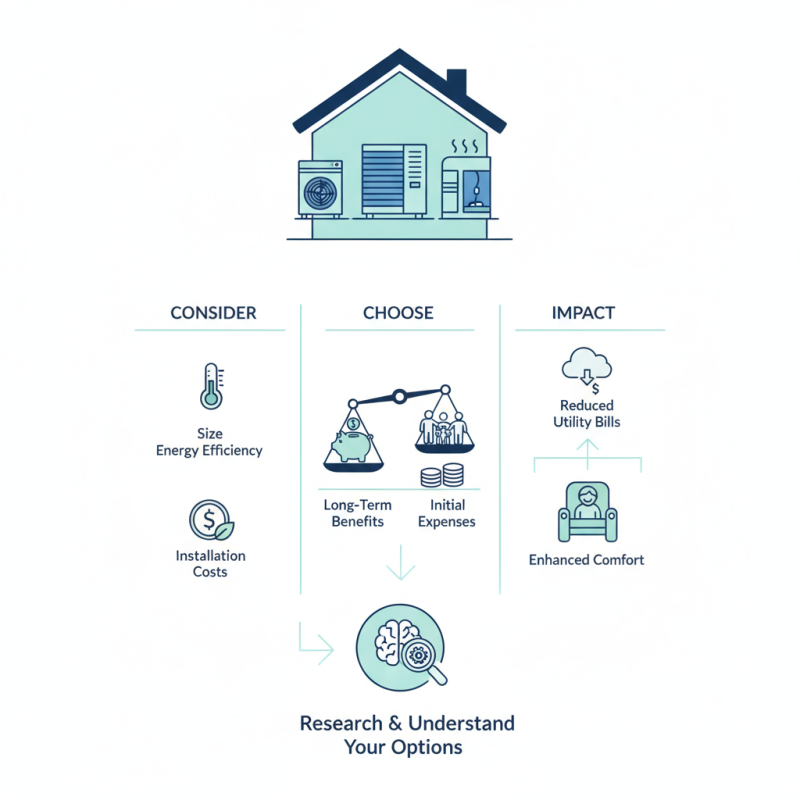
Expert Greg R. Moore, a leading consultant in HVAC technologies, emphasizes, "Choosing the right HVAC system for your home can drastically impact energy costs and comfort levels." Homeowners must evaluate various options, including size, energy efficiency ratings, and installation costs. While modern systems offer improved technology, it is crucial to reflect on the long-term benefits versus initial expenses.
Many homeowners overlook these factors, often making hasty decisions. This can lead to increased utility bills and discomfort. Researching the specific needs of your household is essential. The right HVAC system for home will provide not only immediate comfort but also long-term savings. Therefore, taking the time to understand your options can significantly enhance your living environment.
When selecting an HVAC system, several key factors merit close attention. Efficiency is paramount. According to the U.S. Department of Energy, HVAC systems account for nearly half of a home's energy use. Consider systems with high SEER (Seasonal Energy Efficiency Ratio) ratings. Higher ratings usually translate to lower energy bills, potentially saving you thousands over the system's lifespan.
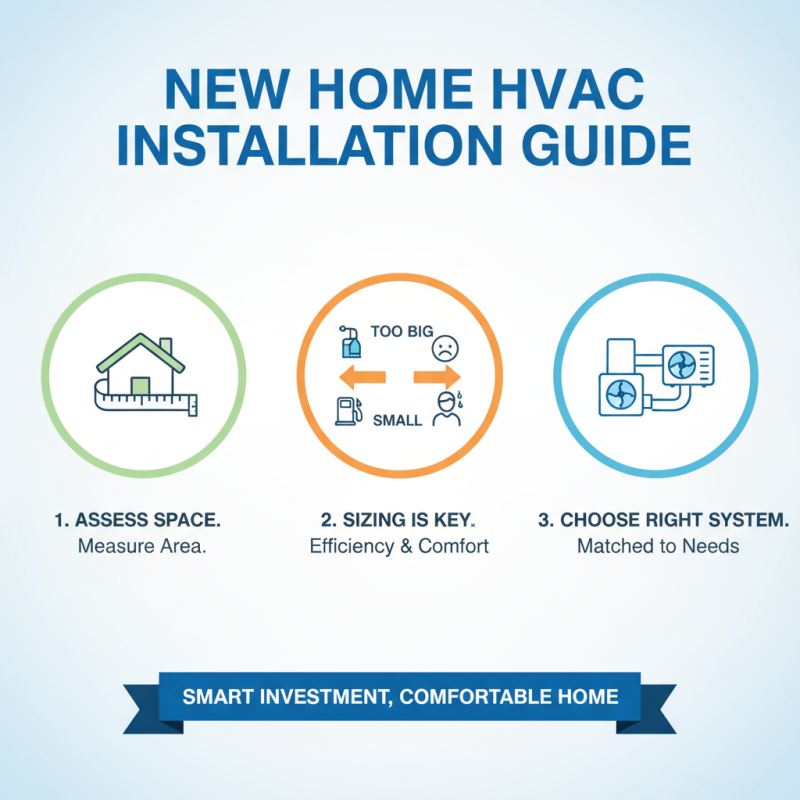
Sizing is another critical element. An oversized system may lead to frequent cycling, causing unnecessary wear and tear. Conversely, an undersized system will struggle to maintain comfortable temperatures. An HVAC professional can perform a load calculation to determine the right size for your space.
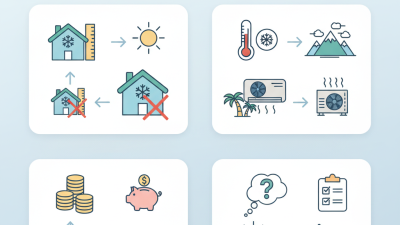
Additionally, consider your home's specific needs. Climate plays a significant role in system selection. In humid areas, systems that also offer dehumidification capabilities may be beneficial. Likewise, if your home has many windows or is poorly insulated, you may need a more robust system. Always keep in mind that the right choice can enhance comfort and reduce operating costs, but each scenario requires re-evaluation. The balance between initial investment and long-term savings often leads to reflection on choices made.
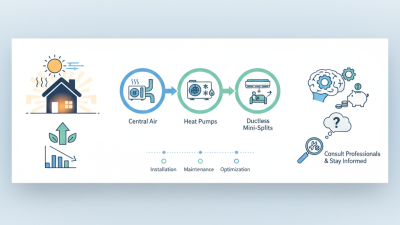
When choosing an HVAC system for your home, it's vital to understand the types available. Different systems have unique advantages and drawbacks. Central air systems offer uniform cooling but can be expensive to install. Ductless systems provide flexibility, yet they may not cool large spaces effectively. Window units are affordable but often less efficient. Each type serves a specific need.
Tips: Consider your home size before choosing. A unit that's too small won't cool effectively.
Heat pumps are becoming popular. They provide both heating and cooling, making them versatile. However, they may struggle in extremely cold climates. On the other hand, traditional furnaces are reliable and powerful but can consume more energy. Assess the energy efficiency of each option to avoid high bills.
Tips: Take note of local climate conditions. Your HVAC choice should match your environment. This often gets overlooked, leading to dissatisfaction.
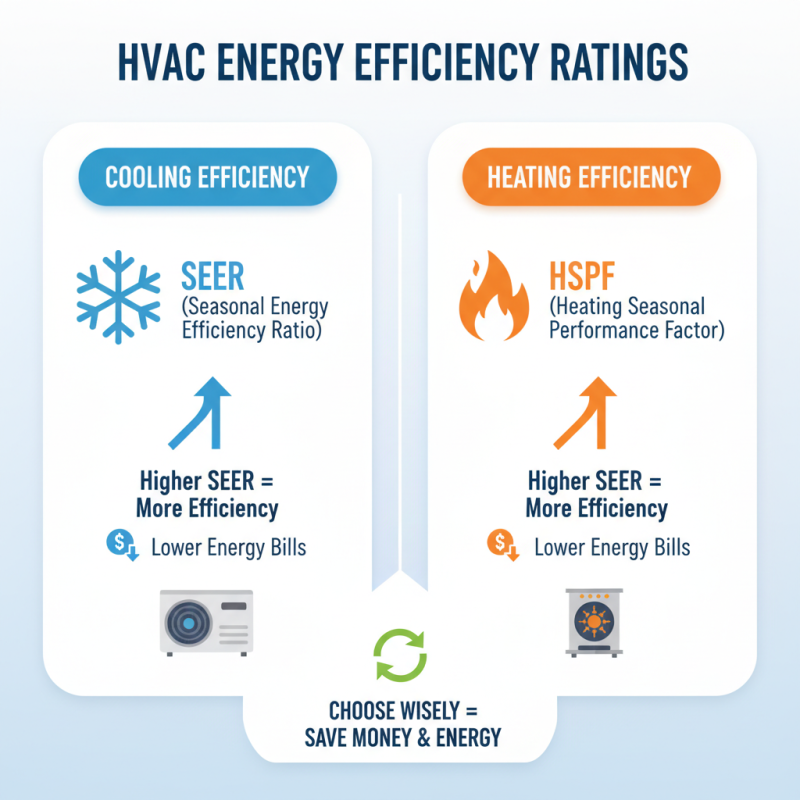
When choosing an HVAC system, understanding energy efficiency ratings is crucial. SEER (Seasonal Energy Efficiency Ratio) measures cooling efficiency. Higher SEER values indicate better efficiency, leading to lower energy bills. HSPF (Heating Seasonal Performance Factor) serves a similar function for heating systems. A higher HSPF translates to more efficient heating processes.
Tips: Look for systems with a SEER rating of 16 or higher. This can save significant costs over time. Don't overlook HSPF ratings when considering heat pumps. An HSPF of 9 or above is generally efficient.
It's easy to focus solely on price when shopping. But investing in higher efficiency models may yield savings later. Consider your climate and usage patterns. Different homes have different needs; one size doesn't fit all. Be mindful of the potential for regret if you overlook these factors.
Installing a new HVAC system at home involves several important considerations. Before diving into the installation, ensure you assess your space. Measure the area that needs cooling or heating. This ensures the system you choose is appropriately sized. An oversized unit will waste energy. An undersized unit may struggle, leading to discomfort.
Tips: Always check local building codes. Some regions have specific requirements for HVAC installations. Securing necessary permits can help avoid fines later.
Another crucial step is evaluating the ductwork. Ensure it is clean and intact. Leaky ducts can waste energy. You may need to hire a professional for a thorough inspection. Sometimes, the existing ducts don't meet current standards, which could necessitate upgrades.
Tips: Don't hesitate to consult an HVAC expert for your unique needs. Their insight can save you from common pitfalls. Furthermore, consider zoning systems for larger homes. This may add upfront costs but can enhance comfort.
Being well-informed can significantly impact your HVAC installation process. Each small detail matters. Prepare accordingly to ensure a successful installation.
When budgeting for an HVAC system, consider both purchase and maintenance costs. Industry data suggests that an average HVAC system can range from $3,000 to $12,000. Installation adds another $1,500 to $3,000. This cost can vary significantly, depending on system type and home size.
Maintenance is another key factor. Regular maintenance can cost between $100 and $300 per year. Neglecting service can lead to higher repair costs, which can quickly exceed the annual maintenance investment. Data shows that an HVAC system without regular check-ups can lose up to 30% of its efficiency in a year.
Tips: To avoid unexpected costs, always budget for repairs. Research local contractors for transparent pricing. Also, consider energy efficiency. Systems with higher SEER ratings often involve a larger upfront cost, but can save money over time through lower utility bills.
Assess your budget carefully before purchasing. A cheaper initial price may lead to higher costs later. Take the time to evaluate all aspects of owning an HVAC system. This ensures a satisfactory investment that aligns with your home needs.