
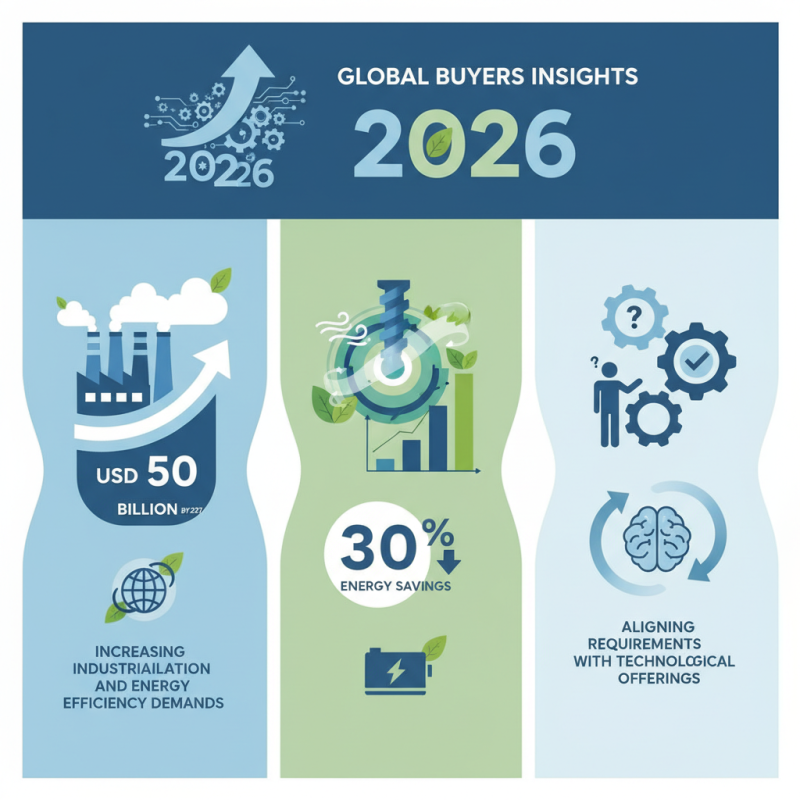
In the fast-evolving compressor industry, the Elgi Compressor brand stands out for its innovation and reliability. According to a recent market research report by MarketsandMarkets, the global air compressor market is projected to exceed USD 50 billion by 2027, driven by increasing industrialization and energy efficiency demands. Elgi Compressors, known for their advanced technologies, are positioned to capture a significant share of this growing demand.
Elgi's commitment to sustainability and performance sets a benchmark for competitors. Their products emphasize lower energy consumption and higher efficiency. This is crucial as industries aim to reduce operational costs and their carbon footprint. In fact, an industry study revealed that energy-efficient compressors can save businesses up to 30% on energy costs.
Despite the advancements, the industry faces challenges. Some buyers still overlook the importance of selecting the right compressor for their specific needs. This can result in inefficiencies and increased maintenance costs. As Elgi Compressors continue to lead with exceptional design and engineering, the focus for buyers should be aligning their requirements with Elgi’s technological offerings to maximize value.
In 2026, the landscape of air compression continues to evolve. Key features of Elgi compressors focus on energy efficiency and durability. These machines are designed to operate in harsh environments, ensuring reliability even under pressure. Users seek compressors that can deliver consistent performance with minimal downtime.
Technological advancements enhance monitoring and control capabilities. Many compressors now feature smart sensors for real-time data analysis. This enables users to track performance and make informed decisions. However, users must be aware of potential challenges, such as maintenance needs and integration with existing systems. Balancing innovation with practical usability remains crucial.
A growing emphasis on sustainability reflects global trends. Compressors are now built to reduce energy consumption and carbon footprints. Buyers often face the dilemma of selecting advanced features without overspending. Understanding operational needs versus technological luxuries is essential. Ultimately, the best choice hinges on aligning functionality with practical requirements.
The compressor industry is rapidly evolving, with emerging technologies leading the charge. Innovations in materials are reshaping air compressor design. For instance, lightweight composites enhance efficiency without sacrificing strength. This revolution allows for more compact designs, fitting into tighter spaces and reducing energy consumption.
Digital transformation is another key trend. Smart compressors equipped with IoT sensors monitor performance in real-time. This data-driven approach enables predictive maintenance, reducing downtime and operational costs. However, the challenge remains in ensuring the security of these connected devices. Vulnerabilities in cybersecurity could lead to significant risks.
Sustainability is becoming increasingly important. Many companies are exploring eco-friendly refrigerants and energy sources. While advancements are promising, there’s a need to balance innovation with environmental impact. Some technologies may offer short-term solutions but could cause long-term issues. Continuous thoughtful evaluation in the industry is essential for sustainable growth.
The compressor manufacturing industry is undergoing significant shifts, driven by sustainability trends. Recent reports indicate that 70% of global manufacturers are prioritizing energy-efficient technologies. This commitment reflects a growing awareness of environmental impact and operational costs.
With the rise of electric and hybrid models, compressors are becoming more eco-friendly. Digital innovations streamline processes, reduce emissions, and enhance performance. A staggering 55% of firms are investing in renewable energy sources for production. These changes illustrate a broader industry trend towards sustainability.
However, challenges remain. Many manufacturers struggle to balance cost and eco-friendliness. Some technologies are still under development, leading to uncertainties in market adoption. A lack of skilled labor in sustainable practices adds another layer of complexity. Despite these obstacles, the push for greener compressors is reshaping industry standards, setting a path for future growth.
In 2026, consumer preferences in the compressor market are shifting dramatically. Buyers now prioritize energy efficiency and sustainability. Many are drawn to products that promise reduced carbon footprints. This shift reflects a growing awareness of environmental issues. It’s evident that buyers care more about eco-friendliness than ever before.
Furthermore, the buying behavior of consumers is evolving. They deeply research before making a purchase. Online reviews and expert opinions carry significant weight. Social proof often influences decisions. Many customers look for quantifiable performance metrics. However, some still struggle to discern quality amidst a sea of options. Trust in brands is now a critical factor. Many consumers are open to new, lesser-known brands if they demonstrate reliability.
On the pricing front, consumers are willing to invest more for high-quality equipment. They seek value rather than just the lowest price. This trend indicates a willingness to spend on longevity and durability. Yet, it raises questions about affordability for smaller businesses. As the market advances, balancing cost and quality will be a challenge for many consumers.
The global market for air compressors, particularly Elgi Compressors, is expected to witness significant shifts by 2026. Industry reports indicate a projected growth rate of 5.7% annually, driven by advancements in technology and increasing demand across sectors. The rising need for energy-efficient solutions is reshaping purchasing trends. Buyers are now prioritizing compressors that offer lower energy consumption and enhanced performance.
As industries evolve, investment in innovative technologies becomes crucial. For instance, the integration of IoT in compressors is allowing for better monitoring and predictive maintenance. Reports suggest that over 30% of buyers are inclined towards smart compressors. However, challenges remain, including fluctuating raw material costs and supply chain disruptions that could hinder market stability.
Understanding regional dynamics is equally important. Emerging markets, particularly in Asia-Pacific, demonstrate a growing appetite for advanced compressor solutions, contributing to over 40% of the market share by 2026. Yet, many buyers still struggle with selecting the right models and balancing cost with efficiency. This ongoing dilemma highlights the need for educational resources and expert consultations for informed decision-making in the evolving landscape.