
In the age of smart homes, the Wifi Smart Switch stands out. This device offers modern convenience and control. It allows users to manage their lights from anywhere.
Imagine walking into a well-lit room after a long day. A Wifi Smart Switch makes this possible. You can set schedules, monitor usage, and save energy seamlessly. However, choosing the right one can be challenging.
Many options exist, each with unique features. Some boast easy installation while others offer advanced integrations. It’s essential to research and read reviews to find the perfect match for your home. The right Wifi Smart Switch can enhance your lifestyle, but the wrong choice may lead to frustration. Hence, understanding your needs is crucial before making a decision.
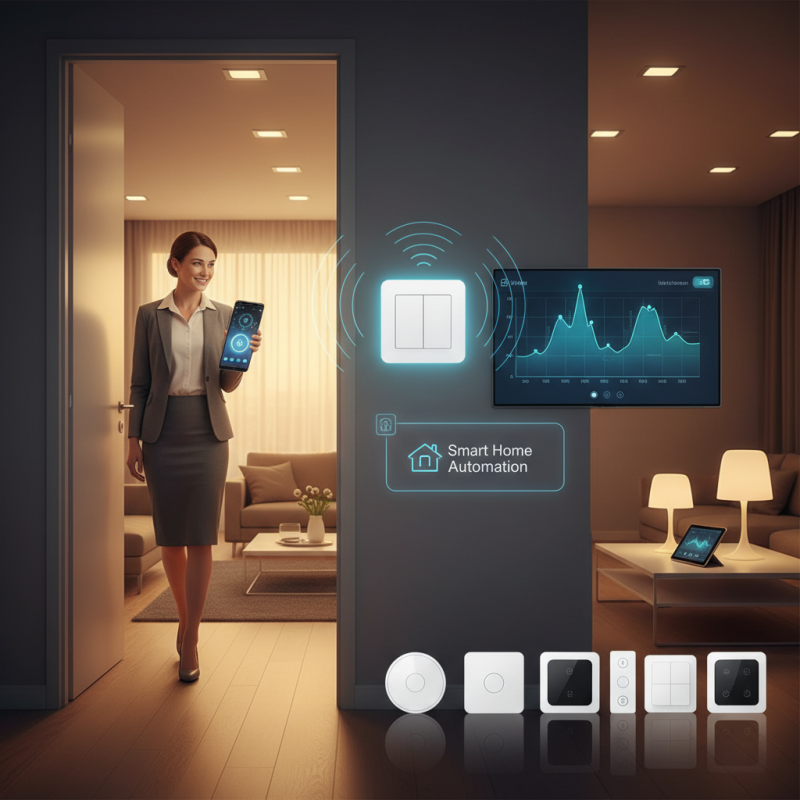
Smart switches have revolutionized home automation. These devices allow users to control lights and appliances remotely through Wi-Fi. With a smart switch, you can turn on your lights from anywhere using your smartphone. This feature adds convenience and enhances energy management.
Installing a Wi-Fi smart switch can be a straightforward process. Many people find it easy to replace a regular switch. However, some users struggle with compatibility issues. Not all smart switches work with every electrical setup. It's essential to check the specifications before purchasing. Additionally, relying solely on a smartphone for control might not suit everyone. Sometimes, traditional switches seem more comforting.
The benefits of smart switches extend beyond convenience. They can improve security by giving the appearance of someone being home. This deters potential intruders. However, relying on technology can come with drawbacks too. Technical issues can leave you in the dark if the connection fails. Therefore, it’s crucial to weigh the pros and cons. Users must reflect on their specific needs and lifestyle before making a choice.
When choosing a WiFi smart switch, certain key features are essential. Compatibility with popular home automation systems is crucial. Many users are adopting smart homes. According to a recent report, the smart home market is expected to reach $174 billion by 2025. However, not all devices play well together. This can lead to frustration during setup or daily use.
Another important factor is the ease of installation. Some switches can be easily replaced with standard ones. Others may require a more complex setup, demanding professional help. A survey found that 30% of users felt overwhelmed during installation. Smart switches should cater to both techies and novices. Additionally, look for intuitive apps. These apps should allow easy control and scheduling.
Lastly, safety features cannot be overlooked. With increased connectivity comes heightened risk. Reports indicate that home automation devices are among the top targets for cyberattacks. Users often underestimate this threat. Devices should have robust security measures in place. A weakly secured switch can compromise an entire network. Hence, assess these aspects carefully before making a decision.
| Feature | Description | Smart Home Compatibility | Price Range |
|---|---|---|---|
| Voice Control | Supports Alexa, Google Assistant, and Apple HomeKit. | Yes | $20 - $40 |
| Remote Control | Control devices from anywhere using a smartphone app. | Yes | $25 - $45 |
| Scheduling | Set schedules to automate device usage. | Yes | $30 - $50 |
| Power Monitoring | Monitor power consumption and usage statistics. | No | $35 - $55 |
| Multi-Way Control | Allows control from multiple switches in different locations. | Yes | $40 - $60 |
In 2026, the market for Wi-Fi smart switches has expanded significantly. More options mean better choices, but it can make selection overwhelming. Understanding key features helps narrow down the possibilities. Look for models with user-friendly apps and reliable connectivity. Not all switches perform consistently, so check user reviews for insights.
Comparing different models is crucial. Pay attention to compatibility with existing home setups. Some switches may not work seamlessly with current smart devices. Design is also essential; a switch should blend well with your home decor. Color, size, and finish can affect your final choice.
Price can be a double-edged sword. You might find cheaper options lacking in quality. Investing in a higher price point does not always guarantee better performance. It's wise to balance cost with features. Reading expert reviews and researching user experiences will lead to better-informed decisions. Keep track of all the pros and cons as you navigate your selections.
Installing a Wi-Fi smart switch can seem daunting, but it’s quite manageable with the right steps. First, gather your tools: a screwdriver, wire stripper, and voltage tester. Turn off the power at the circuit breaker. Ensure you are in a safe environment; check the voltage to avoid any surprises. Take off the existing switch cover.
Next, identify the wires connected to the old switch. Typically, you’ll see black (live), white (neutral), and green (ground). Remember, not all switches will have a neutral wire. This can be a tricky part. If your home has no neutral wire, some smart switches may not work.
Once you've noted the connections, it's time to connect the new switch. Follow the instructions closely. Connect the ground wire first, followed by the live and neutral wires. It's easy to mix them up. Double check your work before securing the switch back in place. Finally, turn the power back on. Test the switch to see if it connects to your Wi-Fi. If it doesn’t, reflect on your connections. Sometimes, a small oversight can lead to frustration. Troubleshooting may be required to ensure everything works smoothly.
Choosing the right WiFi smart switch for your home can be overwhelming. The market is filled with various options, each boasting different features. According to industry reports, approximately 35% of consumers face difficulty in selecting the ideal device for their smart home needs. Understanding your unique requirements is crucial.
When evaluating a WiFi smart switch, consider its compatibility with existing smart home systems. Many devices work best within certain ecosystems, which can limit your options. Additionally, look for switches that offer user-friendly apps. These apps should allow for intuitive control and scheduling. Data suggests 52% of users prioritize ease of use when selecting a smart device.
Another important aspect is power consumption. Reports indicate that energy-efficient switches can reduce electricity bills by up to 20%. However, many consumers overlook this feature. It’s essential to review the energy ratings carefully. Many brands fail to provide transparent data, making it difficult to compare effectively. This inconsistency can lead to regret in the long term. Consider these factors carefully before making a decision.