Choosing the right business HVAC system is crucial for ensuring a comfortable and efficient environment for your operations. As we look ahead to 2025, the landscape of heating, ventilation, and air conditioning is evolving, with advancements in technology and increasing awareness of energy efficiency. A well-selected business HVAC system not only regulates temperature and air quality but also plays a significant role in reducing operational costs and enhancing employee productivity.
In this guide, we'll explore the key considerations to keep in mind when selecting the best HVAC system for your business needs. From understanding the requirements of your specific space to evaluating different system types and energy sources, our comprehensive approach will equip you with the knowledge necessary to make an informed decision. With the right insights and considerations, you can invest in an HVAC solution that will serve your business well for years to come while promoting sustainability and comfort in the workplace.

When selecting the best HVAC system for your business, it's crucial to understand the various types available and how they meet different operational needs.
The most common systems include split systems, packaged units, and ductless mini-split systems.
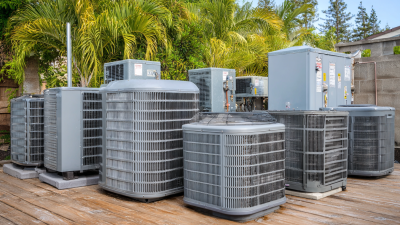
Split systems are versatile and often used in medium to large commercial spaces, featuring indoor and outdoor units that can handle substantial heating and cooling loads efficiently.
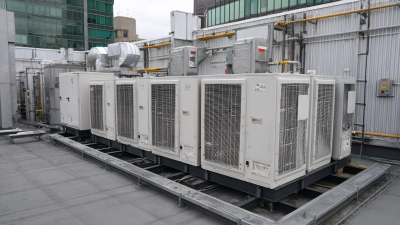
Packaged units, on the other hand, integrate all components into a single rooftop unit, making them ideal for businesses with limited indoor space.
Ductless mini-split systems are an excellent choice for smaller establishments or buildings without ductwork.
These systems offer the flexibility of zoning, allowing different areas to be independently controlled for temperature, which can lead to significant energy savings.
Additionally, there are variable refrigerant flow (VRF) systems, which are gaining popularity in modern construction.
VRF systems provide exceptional energy efficiency and can simultaneously heat and cool different zones, making them suitable for larger facilities where multiple temperature settings are required.
Understanding these options will help you make an informed decision tailored to your specific business needs.
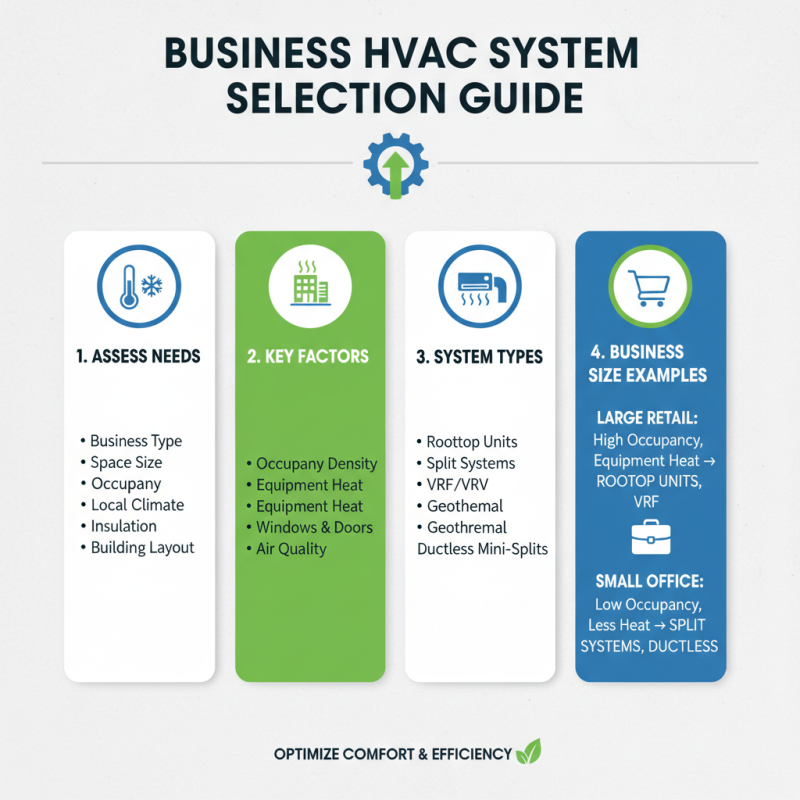
When selecting the best HVAC system for your business, the first step is to assess your specific heating and cooling needs. This assessment will vary depending on the type of business, the size of your space, and the number of employees or clients present. Factors such as local climate, insulation quality, and building layout also play crucial roles in determining the appropriate system. For instance, a large retail space may require a different HVAC solution than a small office due to differences in occupancy and heat generation from equipment.
**Tips:** Consider conducting a thorough energy audit before making a decision. This will help identify areas where improvements can be made, ensuring your HVAC system operates efficiently. It may also be beneficial to consult with an HVAC professional who can provide insights tailored to your business environment.
Moreover, think about future growth and changes that may impact your HVAC needs. An adaptable system can save costs and avoid the need for premature replacements or upgrades. Planning for seasonal variations and ensuring that you have the right capacity to handle peak demand will enhance workplace comfort and productivity.
**Tips:** Don’t overlook the importance of regular maintenance to prolong the lifespan of your HVAC system. Establishing a routine check-up schedule can prevent unexpected breakdowns and costly repairs, ultimately keeping your energy costs manageable.
When selecting the best HVAC system for your business, evaluating energy efficiency and operating costs is crucial. According to the U.S. Department of Energy, heating and cooling systems account for about 50% of the energy use in commercial buildings. Therefore, investing in a system with a high Seasonal Energy Efficiency Ratio (SEER) can significantly reduce energy consumption and costs. Systems with a SEER rating of 14 or higher are considered energy-efficient and can save businesses thousands of dollars over their operational lifespan.
In addition to SEER ratings, assessing the operating costs of different HVAC options is essential. A report from the American Society of Heating, Refrigerating and Air-Conditioning Engineers (ASHRAE) estimates that improper maintenance can lead to energy costs rising by as much as 30%. Regular servicing and choosing systems with smart technology can enhance performance while minimizing unexpected expenses. By performing a cost analysis that incorporates both the initial investment and long-term operating expenses, businesses can make a more informed decision that aligns with their financial goals and sustainability initiatives.
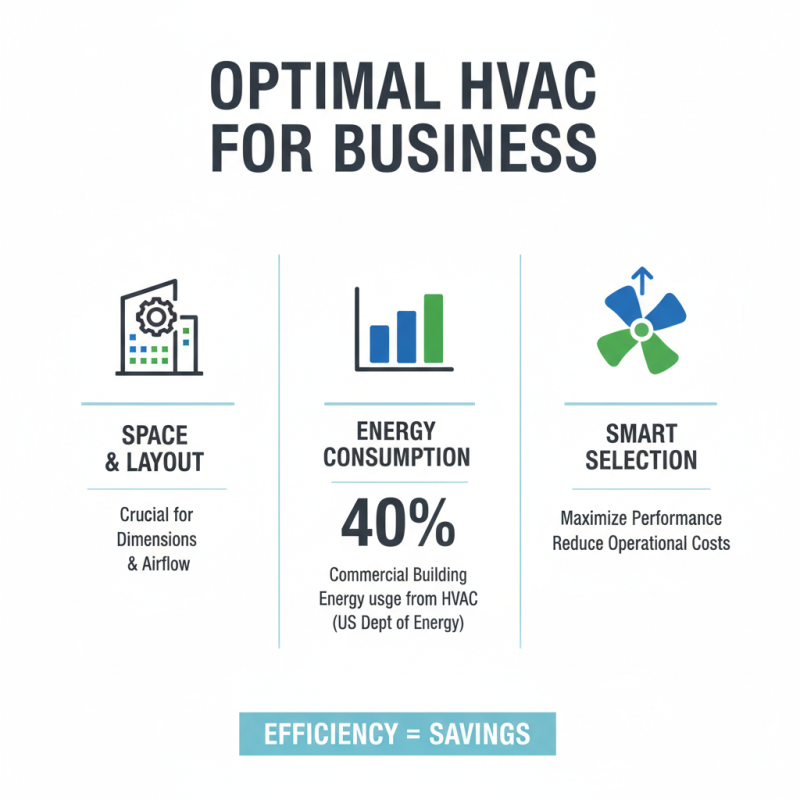
When it comes to selecting the best HVAC system for your business, the space and layout are crucial considerations that can significantly impact efficiency and performance. According to a report from the U.S. Department of Energy, nearly 40% of energy used in commercial buildings is attributed to heating, ventilation, and air conditioning. This statistic underscores the importance of tailoring the HVAC system to the specific dimensions and airflow requirements of your space.
Every facility has unique needs based on its size, structure, and intended use. For example, a high-ceiling warehouse may require different HVAC solutions compared to a compact office space. The American Society of Heating, Refrigerating and Air-Conditioning Engineers (ASHRAE) suggests conducting a thorough load calculation to ensure that the selected system can adequately handle the thermal load and maintain comfortable conditions throughout the year. Understanding these dynamics leads to a more effective installation, reduced energy costs, and a healthier indoor environment for employees and customers alike.
Additionally, the arrangement of furniture, equipment, and partitions can influence airflow and overall system performance. By taking these factors into account during the planning phase, businesses can avoid common pitfalls, such as poor temperature regulation and inadequate ventilation. A well-considered installation not only enhances comfort but also optimizes energy usage, potentially leading to savings that can reach 30% in operational costs, as highlighted in industry analyses. These insights are vital for creating an efficient and effective HVAC strategy that meets your business's specific demands.
When selecting the best HVAC system for your business, it’s crucial to consider not only the system's efficiency and capacity but also the maintenance and support options available. A robust maintenance plan can prolong the lifespan of your HVAC system, ensure optimal performance, and prevent costly breakdowns. Regular inspections, filter changes, and tune-ups should be part of your routine maintenance schedule. Partnering with a service provider that offers comprehensive maintenance packages can help keep your system running smoothly and efficiently.
In addition to regular maintenance, it’s important to evaluate the level of support you can expect from your HVAC provider. This includes availability for emergency repairs, the responsiveness of their customer service, and the qualifications of their technicians. Access to a reliable support network not only provides peace of mind but can also mitigate downtime in case of unexpected issues. Be sure to inquire about warranty options and service guarantees, as these can greatly enhance your overall investment in your HVAC system, ensuring you have the assistance you need when it matters most.