When it comes to selecting the ideal HVAC system for your home, the decision can often feel overwhelming. With numerous options available, understanding the factors that influence your choice is crucial. In this comprehensive 2025 guide, we aim to equip homeowners with essential HVAC information to make informed decisions tailored to their specific needs and preferences. By considering aspects such as energy efficiency, system size, and climate compatibility, you will gain a clearer perspective on what works best for your living environment.
Choosing the right HVAC system not only enhances your home's comfort but also impacts your energy bills and overall environmental footprint. As the demand for energy-efficient solutions continues to rise, homeowners must stay informed about the latest technologies and advancements in the HVAC industry. This guide will delve into the key components and considerations that play a vital role in selecting an HVAC system that aligns with your lifestyle, ultimately ensuring a balanced and cozy atmosphere in your home.
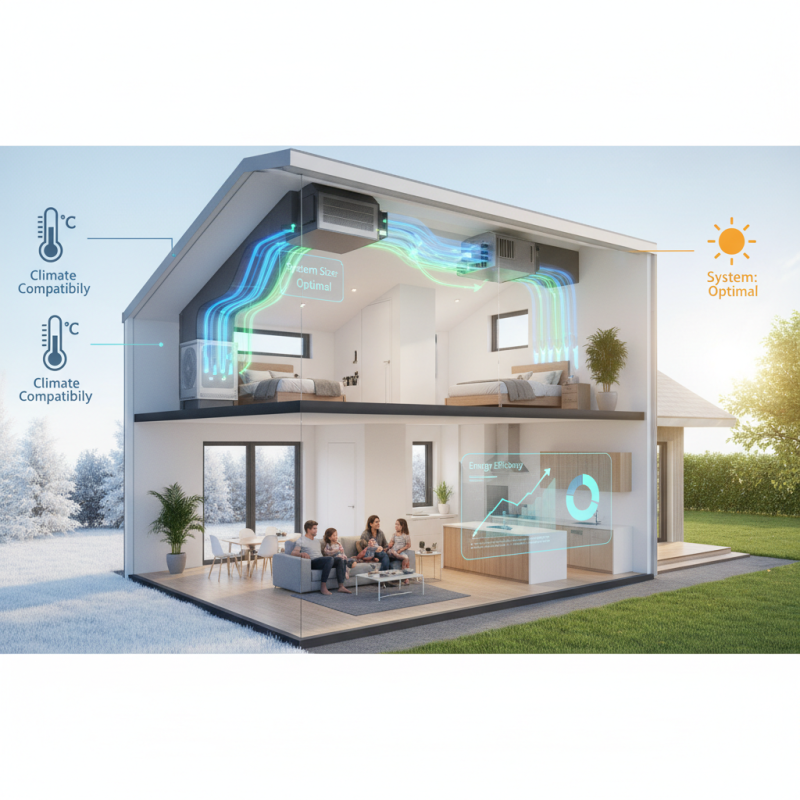
When selecting an HVAC system for your home, several key factors must be taken into account to ensure optimal comfort and efficiency. Firstly, consider the size of your home, as the capacity of the HVAC unit should match your living space. An oversized system may cool or heat your home too quickly, leading to inconsistent temperatures, while an undersized unit may struggle to maintain comfort. Proper load calculations can help determine the right size, accounting for variables such as insulation, windows, and ceiling height.
Additionally, energy efficiency is another crucial factor. Look for systems with a high Seasonal Energy Efficiency Ratio (SEER) for cooling and Heating Seasonal Performance Factor (HSPF) for heating. These ratings indicate how effectively a system converts energy into heating or cooling while minimizing waste. Higher efficiency models may have a higher upfront cost but can lead to significant savings on energy bills over time. Lastly, consider the type of system that best suits your lifestyle—central air, ductless mini-splits, or heat pumps—which all have unique advantages depending on your specific needs and preferences.
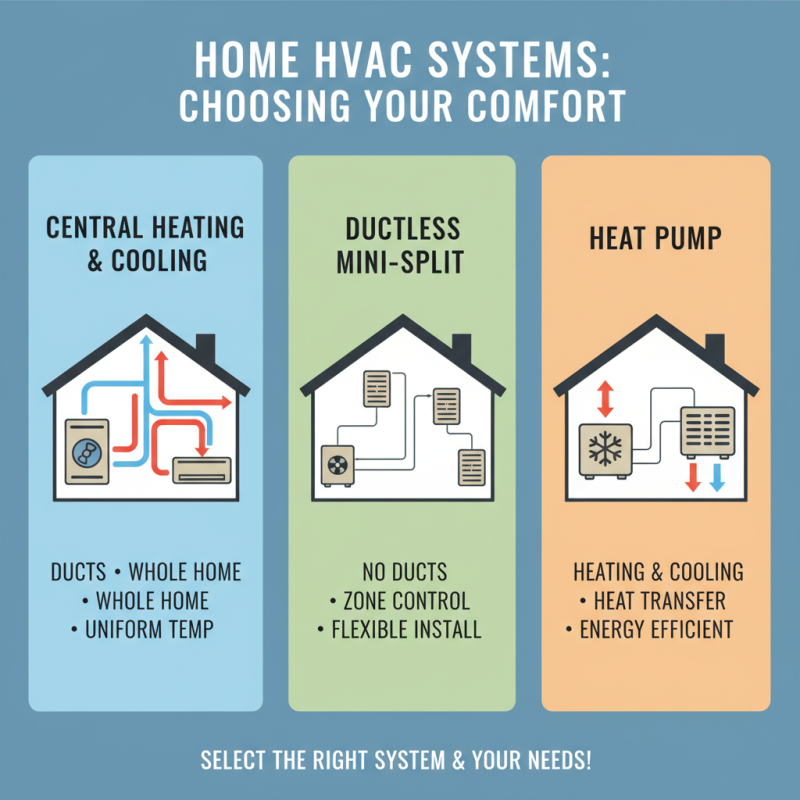
When selecting the right HVAC system for your home, understanding the various types available and their functionalities is crucial. The most common types include central heating and cooling systems, ductless mini-splits, and heat pumps. Central systems utilize a network of ducts to distribute air throughout the home, providing efficient temperature control. Ductless mini-splits, on the other hand, offer flexibility with individual units that can be installed in multiple zones, allowing for tailored comfort in different spaces without the need for ductwork. Heat pumps serve a dual purpose, functioning as both heaters and air conditioners by transferring heat instead of generating it, making them an energy-efficient choice for moderate climates.
Tips: When choosing an HVAC system, consider the size of your home and the climate in your area. Proper sizing is key to efficiency; an oversized unit can lead to short cycling, while an undersized one may struggle to maintain comfort. Additionally, think about your long-term energy costs. Systems with higher SEER (Seasonal Energy Efficiency Ratio) ratings can save substantial amounts on your utility bills over time.
Another important aspect is the ease of maintenance. Opt for systems that come with user-friendly features, such as programmable thermostats, which can help optimize energy use while ensuring your home stays comfortable. Regular maintenance schedules can further enhance the lifespan and efficiency of your HVAC system.
When selecting an HVAC system for your home in 2025, understanding the size and capacity needed is crucial. An oversized or undersized system can lead to inefficiency, increased energy costs, and discomfort. To determine the right size, it's essential to conduct a load calculation that considers factors such as the home's square footage, insulation levels, window sizes, and climate. This assessment will provide a better insight into the heating and cooling needs of your space.
Tips: Start by measuring the square footage of each room and consider any additional features like high ceilings or large windows that might affect temperature regulation. Consulting with an HVAC professional can also provide valuable guidance, ensuring that you account for local climate variations and unique home characteristics.
Once you have a clearer picture of your requirements, choose an HVAC system that matches those specifications. Systems are often rated by their BTU (British Thermal Units) output, which directly correlates to their capacity to heat or cool. Aim for a system that meets your calculated needs without exceeding them significantly, as this can help maintain energy efficiency while delivering optimal comfort throughout your home.
Tips: Look for a system that offers adjustable settings to accommodate fluctuations in temperature and humidity. This adaptability can improve overall performance and enhance energy savings in the long run.
| Home Size (sq ft) | Recommended BTU/hr | System Type | Energy Efficiency Ratio (EER) | Estimated Monthly Cost |
|---|---|---|---|---|
| 1,000 | 20,000 | Central Air Conditioner | 13 | $150 |
| 1,500 | 30,000 | Ductless Mini-Split | 16 | $200 |
| 2,000 | 40,000 | Heat Pump | 18 | $250 |
| 2,500 | 50,000 | Traditional Furnace | 90 | $300 |
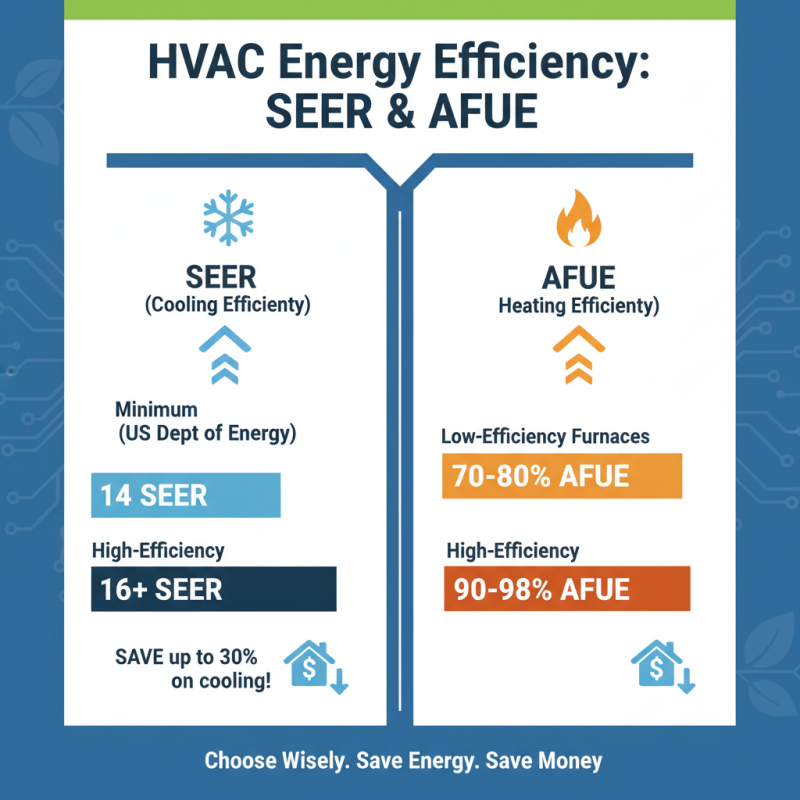
When it comes to selecting an HVAC system for your home, understanding energy efficiency ratings such as SEER (Seasonal Energy Efficiency Ratio) and AFUE (Annual Fuel Utilization Efficiency) is crucial. The SEER rating measures the cooling efficiency of air conditioning units over a typical cooling season. The higher the SEER rating, the more energy-efficient the system. According to the U.S. Department of Energy, a SEER rating of 14 is considered the minimum for most regions, while systems with ratings of 16 or higher can significantly reduce energy costs, potentially saving households up to 30% on cooling bills.
On the heating side, AFUE represents the efficiency of gas furnaces. This measure indicates the percentage of fuel converted into usable heat, with a higher AFUE percentage signifying better efficiency. For instance, a modern furnace with an AFUE rating of 90% means that 90% of the energy consumed is utilized for heating, while the remaining 10% is lost. The Energy Star program recommends looking for units with an AFUE of 80% or higher, as these units can greatly benefit homeowners by lowering heating expenses and promoting environmental sustainability. Understanding both SEER and AFUE ratings is essential for making an informed decision, as they play a critical role in both the operational costs and the overall comfort of your living space.
When choosing the right HVAC system for your home in 2025, budgeting for installation and long-term maintenance costs is crucial. According to the U.S. Department of Energy, the initial installation can range from $3,500 to $10,000, depending on the type and efficiency rating of the system. High-efficiency units can cost more upfront but may save homeowners significantly on energy bills, with the potential for a 20% reduction in energy consumption, translating to hundreds of dollars in savings over time.
In addition to installation costs, ongoing maintenance plays a pivotal role in the total cost of ownership. The Air Conditioning Contractors of America estimates that routine maintenance can amount to approximately $150 to $300 annually. This investment can extend the lifespan of an HVAC system, which averages around 15 years, ensuring it operates efficiently. Homeowners should also consider potential repair costs, which can vary but average anywhere from $150 to $500 per occurrence. Therefore, understanding these financial aspects can help you select a system that not only fits your home’s needs but also aligns with your long-term budgeting goals.