
Skip to content

Top 10 Geyser Pressure Valve Manufacturers Worldwide

A geyser pressure valve may be small, but its performance affects how a water-heating system handles pressure and temperature changes. For installers, buyers, and equipment makers, choosing a reliable supplier involves more than comparing prices. It means checking product specifications, material options, manufacturing consistency, and the support available after purchase. Details matter.

This guide to the Top 10 Geyser Pressure Valve Manufacturers Worldwide introduces companies that serve different markets and applications. Their products may vary in connection size, pressure range, construction, and compatibility with particular geyser systems. A stainless-steel body, clear labeling, and accessible technical documentation can make evaluation easier, but none alone proves long-term performance. Ask for relevant test information.

Manufacturer claims should be considered alongside published specifications and practical installation requirements. Pressure settings and product approvals can differ by model and destination, so confirm that a valve suits the intended system and local requirements. A catalog is only a starting point. Real-world reliability also depends on correct selection, installation, and maintenance.

There is no universal best choice. Availability, lead times, service quality, and documented quality controls can matter as much as brand recognition. Some information may be difficult to compare consistently across manufacturers; that is worth noting rather than guessing. The profiles that follow offer a structured starting point for research, not a substitute for checking current product data with each supplier.
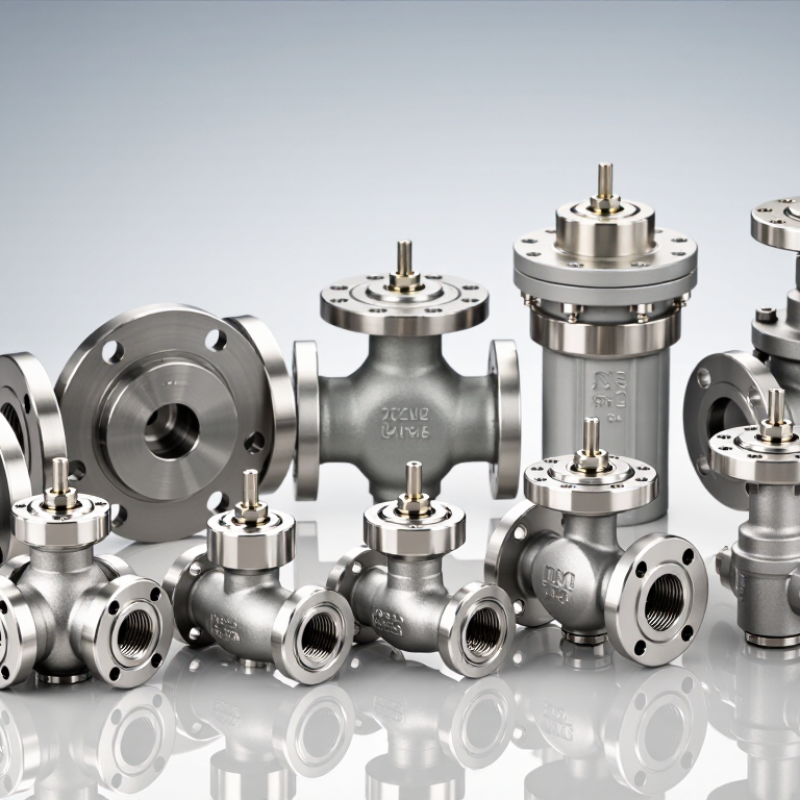
Top 10 Geyser Pressure Valve Manufacturers Worldwide

Geyser Pressure Valves: Functions, Types, and Applications

A geyser pressure valve helps manage water pressure as the heater fills and heats. When water expands, pressure can rise inside the tank. A correctly selected relief valve opens when pressure exceeds its rated limit, allowing water to escape through a discharge line. That small drip may signal a problem, but it can also occur during normal heating. Check the unit’s instructions before assuming either.

Different valves serve different purposes. A temperature-and-pressure relief valve responds to excessive heat as well as pressure. A pressure-only relief valve reacts to pressure, while an expansion relief valve can help manage pressure changes in a closed supply system. These parts are not interchangeable. The distinction is easy to miss. Inlet pressure-reducing valves have another job: they lower incoming water pressure rather than release excess pressure from the geyser.

Applications vary with tank design, supply conditions, and installation requirements. A valve must match the heater’s specified rating, and its outlet should connect to a suitable discharge pipe. Never cap it. Keep the outlet unobstructed and directed where hot water can drain without injuring someone or damaging nearby materials. If a valve leaks continuously, discharges unusually hot water, or shows corrosion, have a qualified technician inspect it. Replacing parts without checking the cause may leave the underlying pressure issue unresolved.

Criteria for Evaluating Manufacturers Worldwide

When comparing geyser pressure valve manufacturers, begin with the operating envelope: rated pressure, discharge capacity, temperature range, and compatible water conditions. Ask for test reports showing opening pressure and reseating performance, not just a catalogue specification. A valve that opens late can expose a tank to excessive pressure; one that leaks continuously wastes water and signals poor control. Small details matter. Check whether material grades, spring settings, and production batches are traceable.

Quality systems help, but they are not proof of valve performance. The ISO Survey 2022 reported 1,265,216 valid ISO 9001 certificates worldwide. That figure reflects broad adoption of quality-management systems, not product safety. Compare each manufacturer’s certificates with applicable local plumbing and pressure-equipment requirements, and confirm the exact product scope. Ask for inspection records, calibration intervals, and independent test evidence. Also assess warranty terms, spare-part availability, and response time for technical questions. A neat certificate file is reassuring, but not enough. Factory audits can reveal inconsistent testing or unclear records; even strong suppliers may have gaps. Note those gaps, and weigh them against measurable evidence rather than polished sales claims.

Ten Leading Geyser Pressure Valve Manufacturers

A meaningful review of ten leading geyser pressure valve manufacturers should begin with engineering, not advertising. Strong manufacturers specify the valve’s working pressure, temperature range, connection size, and materials clearly. They also explain how their products respond when water pressure rises. Small details matter: a cleanly machined thread, a firm spring, and a seal that sits evenly can affect installation and long-term performance.

The strongest candidates often serve different needs. Some specialize in compact brass valves for household water heaters; others focus on corrosion-resistant materials or higher-capacity designs. Look for documented pressure testing, traceable production batches, and practical installation guidance. Ask whether replacement parts are available. A low purchase price can become costly if the valve is difficult to service. Ten names alone prove little.

A careful comparison should also consider consistency between samples and published specifications. Request test records, warranty terms, and clear maintenance instructions before making a decision. Check that the selected valve matches the geyser’s rated pressure and inlet configuration. Do not assume a familiar-looking fitting will work. Even experienced buyers can overlook this. Manufacturers that answer technical questions directly are easier to assess, though clear documentation still deserves independent review.

Typical Geyser Pressure-Relief Valve Settings by Market

These are common nominal settings for domestic water-heater safety valves, converted to psi: 150 psi in the United States, 6 bar (about 87 psi) in the United Kingdom, and 850 kPa (about 123 psi) in Australia. Actual requirements and product ratings vary by system and local regulations; always check the appliance and applicable standards.

Comparing Product Range, Certifications, and Global Reach

Comparing geyser pressure-valve manufacturers means checking more than catalogue size. A useful range specifies set pressure, temperature limits, inlet dimensions, materials, and discharge connections. These details matter when a valve must fit a narrow cabinet and existing pipework. Confirm that each model suits the heater type, not just its nominal pressure. Fit matters.

Certification deserves careful scrutiny. Check the exact product’s applicable test standard, third-party listing, batch traceability, and installation instructions. ISO 9001 alone certifies a quality-management system, not a valve’s safety. ISO’s 2022 Survey reported roughly 1.27 million ISO 9001 certificates worldwide across industries; this indicates broad adoption, not product approval. Global reach should also include regional stock, replacement parts, and technical support. A wide export map can still hide slow service.

Tips: Compare datasheets line by line, then request the exact model’s certificate and written set-pressure confirmation. Check that markings on the valve match its documents. Ask about spare-part lead times. Small mismatch, big headache.

Key Factors in Choosing a Manufacturer

For geyser pressure valves, manufacturer selection should begin with verified performance, not polished catalogue claims. The U.S. Department of Energy’s Energy Saver guidance estimates that water heating accounts for about 18% of household energy use. Leakage or repeated discharge can therefore waste energy as well as water. Details matter. Check rated pressure and temperature, discharge capacity, connection dimensions, and materials against the heater’s specifications.

Ask for type-test reports, batch inspection records, and clear acceptance criteria. A certificate alone is not enough; confirm which applicable pressure-relief standard and product approvals cover the exact valve model. Review body and seal materials for hot-water exposure, corrosion, and scale. Ask how the maker controls spring settings and verifies reseating after testing. Small tolerances can affect performance.

Evaluate traceability, warranty terms, replacement-part availability, and technical response times. Request sample records before placing a large order. Compare the quoted valve’s flow capacity with the appliance requirements, not just its thread size. A low price may omit useful documentation or support. Even sound records cannot predict every installation mismatch, so confirm compatibility with the actual heater and site conditions.

Top 10 Geyser Pressure Valve Manufacturers Worldwide - Key Factors in Choosing a Manufacturer

Use these ten checks to compare manufacturers. Product requirements and approvals vary by market and water-heater design; verify the exact valve model’s documentation before purchase. No company or brand rankings are shown.

No. Selection factor What to verify Why it matters
1 Applicable product standard Ask which standard and edition apply to the valve and destination market. ANSI Z21.22/CSA 4.4 covers relief valves for hot-water supply systems in North America; other markets may use different requirements. A standard’s scope and local adoption determine whether a product is suitable for the intended installation.
2 Certified model and documentation Request the model-specific certificate or listing, test documentation, installation instructions, and traceable model identification. Confirm the certification with the issuing body where applicable. A general company certificate does not establish that a particular valve model is approved for a particular use.
3 Pressure and temperature ratings Compare the valve’s marked pressure and temperature limits with the water heater’s requirements and local code. Some North American residential water-heater T&P valves are rated at 150 psi and 210°F; these are not universal settings. The correct set points are equipment- and code-dependent; never select a valve from a generic rating alone.
4 Relieving capacity Check the certified discharge capacity and confirm it meets the water heater’s required input or capacity under the applicable code and manufacturer instructions. A valve must be capable of relieving pressure or temperature at the rate required for the protected equipment.
5 Valve function and configuration Confirm whether the application requires pressure relief, temperature-and-pressure relief, or another specified configuration. Check the sensing element, connection type, and orientation against installation instructions. Different valve functions are not interchangeable, and incorrect installation can compromise protection.
6 Materials and water compatibility Review the body, spring, seals, and wetted components’ material specifications. Confirm suitability for the site’s water chemistry and any applicable drinking-water contact requirements. Material choice affects corrosion resistance, service life, and compliance with local water-contact rules.
7 Manufacturing quality controls Ask about production testing, calibration controls, nonconformance handling, lot traceability, and the scope of any quality-management certification, such as ISO 9001. Quality-system certification concerns management processes; it is not a substitute for product approval or performance evidence.
8 Installation and discharge guidance Check that instructions specify connection details and safe discharge-pipe requirements consistent with local code and the appliance manual. Discharge piping must not be sized or routed contrary to those requirements. Correct installation is essential to direct hot water safely and keep the relief path unobstructed.
9 Service, warranty, and spare parts Review the written warranty, replacement policy, technical support availability, and access to approved replacement parts in the installation region. Local support and documented replacement options can reduce maintenance delays and help preserve correct operation.
10 Supplier verification and delivery Verify the supplier’s authorized distribution status where relevant, product origin and batch records, lead times, and ability to provide genuine, documented products. Traceable sourcing helps reduce the risk of receiving incorrectly specified or undocumented safety components.

Important: This is a manufacturer-selection checklist, not a ranked list or a product specification. Follow the water-heater instructions and applicable local regulations; have installation and replacement performed by a qualified professional.