Skip to content

How to Choose the Best HVAC for Home Comfort and Efficiency?

Choosing the right HVAC for home comfort and efficiency can be overwhelming. According to John Smith, an HVAC expert with over 20 years of experience, “Selecting the right HVAC system is crucial for your comfort and energy savings.” His insights highlight the importance of making informed choices.

The right system will not only regulate your home's temperature but also affect energy bills. Homeowners often overlook this aspect. It's essential to consider your home's size, insulation, and climate. Each variable plays a significant role in your HVAC for home decision.

Diverse options are available in the market, each with its benefits. However, not every system is suitable for every home. Many homeowners end up dissatisfied because they rushed the decision. Taking time to understand your needs can lead to long-term savings and comfort. John Smith’s advice serves as a reminder: careful selection is key.
How to Choose the Best HVAC for Home Comfort and Efficiency?

Factors to Consider When Selecting an HVAC System for Your Home

Choosing the right HVAC system is crucial for home comfort. Several factors need careful evaluation. Start with the size of your home. An oversized unit can waste energy. Conversely, a too-small system may struggle to maintain your desired temperature.

Energy efficiency is another vital consideration. Check the system's Seasonal Energy Efficiency Ratio (SEER) rating. A higher rating often indicates better efficiency. This can save money on utility bills in the long run.

Tips: Always assess your local climate. It influences your HVAC requirements. If you live in an area with extreme temperatures, a robust system is essential.

Look for systems that offer good airflow. Proper air distribution will enhance comfort levels. Seek advice from professionals when making your choice. Their experience can guide you in selecting an ideal system.

Tips: Don’t underestimate installation quality. A poorly installed system can lead to inefficiencies. Ensure that you get quotes and check references before committing.
Types of HVAC Systems: Pros and Cons for Home Comfort

When selecting HVAC systems, consider factors like your home size, climate, and budget. Different systems have unique advantages and drawbacks.

Central air conditioning systems offer efficient cooling for larger homes but can be expensive to install. Ductless mini-split systems are versatile and easy to install, especially in homes without existing ducts. However, their upfront cost might be higher than traditional systems.

Tips: Evaluate your home's insulation and size. Insufficient insulation can reduce HVAC efficiency. Consider how often you use each space to determine if a ductless system is a good fit. You can also look at energy efficiencies. The higher the SEER rating, the better the efficiency.

Choose a heating system wisely. Gas furnaces heat quickly but may require more maintenance. Heat pumps are energy-efficient, yet they might struggle in extreme cold. Don't overlook warranties and service options. These can impact long-term satisfaction and costs.

Understanding Home Size and Layout's Impact on HVAC Efficiency

How to Choose the Best HVAC for Home Comfort and Efficiency?

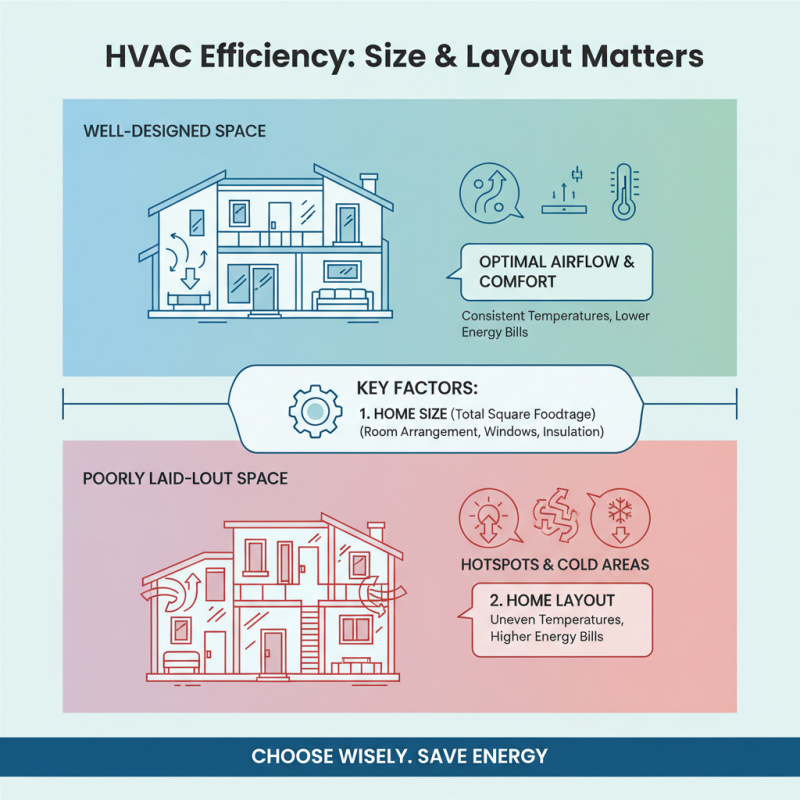
Choosing the best HVAC system for your home is crucial for your comfort. The layout and size of your home play significant roles in HVAC efficiency. A well-designed space can enhance airflow. Conversely, a poorly laid-out home can create hotspots and cold areas.

Consider the size of each room. Larger rooms require more powerful systems. Smaller spaces may need less. An oversized unit can lead to increased energy bills. It may cool the room too quickly, preventing proper dehumidification. On the other hand, undersized units struggle to maintain comfort levels.

Take note of your home layout. Open-concept spaces allow for better air circulation. However, closed layouts might trap air. This can cause uneven temperatures throughout your home. Always think about insulation too. Well-insulated spaces keep temperatures stable and reduce energy waste.

Energy Efficiency Ratings: What to Look for in HVAC Systems

When selecting an HVAC system, energy efficiency ratings are crucial. Look for systems that have high Seasonal Energy Efficiency Ratio (SEER) and Annual Fuel Utilization Efficiency (AFUE) values. These metrics indicate how well the system converts energy into heating or cooling. Higher ratings often result in lower utility bills and a reduced carbon footprint.

Consider the Environmental Protection Agency’s ENERGY STAR certification. This label identifies products meeting strict efficiency guidelines. However, even certified systems can vary significantly in performance. Research and compare specifications carefully. Don't just rely on online ratings; speak with professionals to gain insights. They can provide valuable advice based on your home’s specific needs and layout.

Furthermore, remember that installation plays a key role in efficiency. A poor installation can negate the benefits of a highly rated system. Seek experienced contractors who understand local codes and best practices. Despite all precautions, some trial and error may occur, as every home is unique. Reflecting on your experiences can guide future choices.

How to Choose the Best HVAC for Home Comfort and Efficiency?

HVAC Type Energy Efficiency Rating (SEER) Heating Efficiency (AFUE) Noise Level (dB) Estimated Annual Operating Cost ($)
Central Air Conditioner 16 80% 70 150
Heat Pump 18 90% 65 140
Ductless Mini-Split 22 95% 55 120
Boiler N/A 85% 60 130
Window Air Conditioner 12 N/A 75 200

Budgeting for Purchase and Installation of HVAC Systems

Budgeting for an HVAC system involves several critical steps. First, assess your home's size and insulation. A larger home typically requires a more powerful unit. However, oversizing can lead to inefficient operations and higher energy bills. Be mindful of this when estimating costs.

Installation expenses can vary significantly based on complexity. Consider ductwork, which may need updates or replacements. Unexpected repairs can quickly inflate your budget. Establish a buffer in your finances for these potential additional costs. Always obtain multiple quotes from professionals to gauge the average price in your area.

Lastly, prioritize energy efficiency. Look for systems that offer long-term savings on utility bills. Some HVAC units qualify for rebates or tax credits, which can lighten your financial load. Research available options thoroughly. Investing time in understanding your choices today may save you money tomorrow.

HVAC System Efficiency Ratings and Costs